
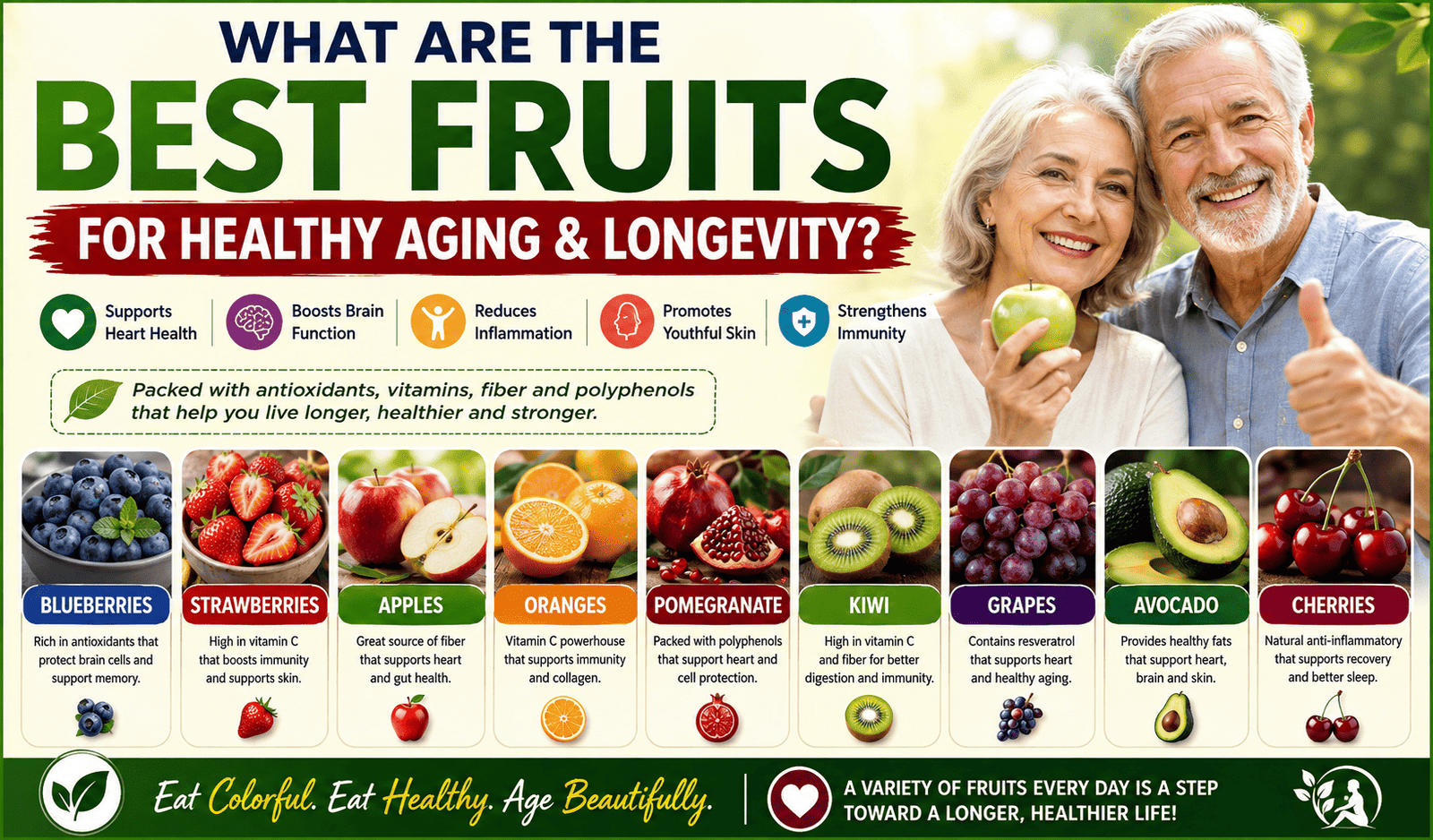
The best fruits for healthy aging and longevity are blueberries, strawberries, blackberries, raspberries, apples, oranges, pomegranates, kiwi, grapes, avocados, and cherries. These fruits are rich in antioxidants, fiber, vitamins, minerals, and polyphenols that help reduce inflammation, protect cells from oxidative stress, support heart and brain health, improve digestion, and promote healthy aging. Eating a colorful variety of whole fruits every day is one of the simplest dietary habits associated with a longer, healthier life.
Why Fruits Matter for Healthy Aging?

Healthy aging is not simply about living longer—it is about maintaining physical strength, mental sharpness, healthy skin, strong immunity, and a lower risk of chronic diseases as we grow older. While genetics play a role in lifespan, nutrition has a powerful influence on how well our bodies age over time.
Fruits are among the most nutrient-dense foods available because they naturally contain dietary fiber, vitamin C, potassium, folate, and thousands of plant compounds known as phytochemicals. These nutrients work together to reduce oxidative stress and chronic inflammation, two major contributors to age-related diseases such as heart disease, diabetes, and cognitive decline. Rather than focusing on one “superfruit,” experts recommend eating a wide variety of colorful fruits throughout the week.
Also Read : High-Protein Diet for Adults Over 50
1. Blueberries: The Best Fruit for Longevity
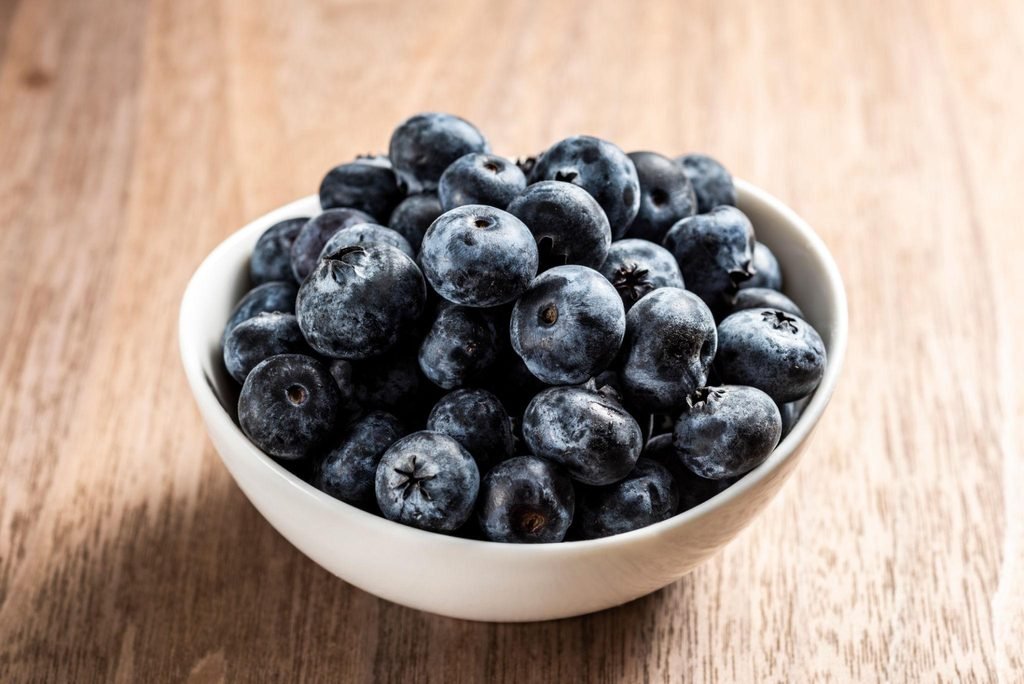
Blueberries are often considered the gold standard of longevity fruits. Their deep blue color comes from anthocyanins, powerful antioxidants that help protect cells from damage and support healthy blood vessels. Regular blueberry consumption has been linked with better brain function, improved memory, and healthier aging.
Blueberries are also naturally low in calories while providing fiber, vitamin C, and manganese. Whether fresh or frozen, they make an excellent addition to oatmeal, yogurt, smoothies, or whole-grain cereal.
Also Read : Mediterranean Diet vs DASH Diet for Longevity
2. Strawberries: A Vitamin C Powerhouse

Strawberries provide exceptional nutritional value in every serving. They are loaded with vitamin C, an essential nutrient for collagen production, immune function, and healthy skin. Their bright red color comes from beneficial polyphenols that help fight inflammation and oxidative stress.
Including strawberries in your daily diet may support heart health while also contributing to healthier skin as collagen naturally declines with age.
Also Read : Anti-Inflammatory Foods That May Support Longevity
3. Blackberries & Raspberries: Fiber for Gut Health

Blackberries and raspberries are among the highest-fiber fruits available. Fiber plays an important role in feeding beneficial gut bacteria, improving digestion, supporting healthy cholesterol levels, and helping regulate blood sugar.
A healthy gut microbiome is increasingly recognized as a key factor in immune health, metabolic function, and overall longevity. These berries are also rich in vitamin K, vitamin C, and antioxidant flavonoids.
Also Read : Best Foods for Healthy Aging
4. Apples: The Everyday Longevity Fruit

Apples remain one of the healthiest and most accessible fruits in America. They contain soluble fiber called pectin, which supports heart health and nourishes beneficial gut bacteria. Apples also provide quercetin, a plant antioxidant that helps protect cells from oxidative damage.
Eating whole apples instead of drinking apple juice provides significantly more fiber and promotes greater fullness, making apples an excellent daily snack.
Also Read : The Biggest Longevity Trends in America
5. Oranges & Citrus Fruits: Healthy Skin and Immunity

Oranges, grapefruits, lemons, and mandarins are rich in vitamin C and citrus flavonoids. These nutrients help maintain collagen, support immune function, and contribute to healthy blood vessel function.
Citrus fruits are especially valuable for adults over 50 because collagen production naturally decreases with age. Regular consumption may help support healthier skin and connective tissues.
Also Read : What Does Aging Gracefully Really Mean?
6. Pomegranates: Rich in Protective Polyphenols

Pomegranates are packed with polyphenols, naturally occurring plant compounds known for their antioxidant and anti-inflammatory properties. These compounds may support cardiovascular health, healthy circulation, and overall cellular protection.
The whole fruit is preferable to sweetened pomegranate juice because it also provides fiber, which benefits digestion and metabolic health.
Also Read : Healthy Aging Myths You Should Stop Believing
7. Kiwi: Small Fruit with Big Benefits

Kiwi is one of the most nutrient-dense fruits for healthy aging. It contains abundant vitamin C, vitamin K, potassium, folate, and fiber. Its unique combination of nutrients supports digestive regularity, immune health, and collagen formation.
Many people also enjoy kiwi because its natural enzymes may help with digestion after meals.
Also Read : Can You Slow Down Biological Aging?
8. Red & Purple Grapes: Heart-Friendly Antioxidants

Dark-colored grapes contain anthocyanins and resveratrol, antioxidants associated with healthy cardiovascular aging. These compounds help protect blood vessels from oxidative stress and support healthy circulation.
Choosing whole grapes instead of grape juice provides more fiber and avoids the concentrated sugars commonly found in processed beverages.
Also Read : Why Americans Are Focusing on Healthspan Instead of Lifespan?
9. Avocados: The Fruit with Healthy Fats

Although commonly treated like a vegetable, avocado is technically a fruit. Unlike most fruits, it provides heart-healthy monounsaturated fats along with fiber, potassium, vitamin E, and lutein.
These nutrients support healthy cholesterol levels, brain function, eye health, and satiety, making avocado an excellent addition to a longevity-focused diet.
Also Read : The Science Behind Longevity Explained.
10. Cherries: Natural Anti-Inflammatory Support

Sweet and tart cherries are rich in anthocyanins that help reduce inflammation and oxidative stress. They are especially popular among active adults because they may support muscle recovery and joint comfort after exercise.
Adding cherries to yogurt, oatmeal, or enjoying them fresh during the season is a delicious way to increase antioxidant intake.
Also Read : Daily Habits That Support Healthy Aging
Best Fruits for Different Healthy Aging Goals

Different fruits offer different strengths depending on your health goals. Blueberries, strawberries, and pomegranates are excellent choices for brain health because of their high antioxidant content. Apples, oranges, grapes, and avocados support cardiovascular wellness through fiber, potassium, and beneficial plant compounds. Kiwi, raspberries, and blackberries are particularly valuable for digestive health due to their impressive fiber content, while citrus fruits and strawberries help maintain healthy skin by supporting collagen production. Cherries and blueberries stand out for their anti-inflammatory benefits, making them ideal for active adults and healthy aging overall.
Also Read : How to Live Longer Naturally?
Fresh vs. Frozen Fruit: Which Is Better?

Many people believe fresh fruit is always healthier, but frozen fruit is an excellent alternative. Most frozen fruit is harvested at peak ripeness and frozen immediately, preserving much of its nutritional value.
Unsweetened frozen berries are often more affordable, available year-round, and work perfectly in smoothies, oatmeal, yogurt, and healthy desserts. The key is choosing products without added sugar.
Also Read : Healthspan vs Lifespan: What’s the Difference?
How Much Fruit Should You Eat Each Day?

For most healthy adults in the United States, about 2 cups of fruit per day fits well within a balanced diet. Instead of eating the same fruit every day, aim for variety by choosing different colors throughout the week.
A simple daily example could include blueberries at breakfast, an apple as an afternoon snack, and orange slices with dinner. This approach provides a broader range of vitamins, antioxidants, and fiber.
Also Read : How to improve immune system naturally?
The Mediterranean Diet Connection

The Mediterranean diet is consistently associated with healthier aging because it emphasizes whole, minimally processed foods. Fruits play a central role alongside vegetables, legumes, whole grains, olive oil, nuts, and fish.
Rather than relying on one miracle food, this eating pattern encourages diversity. Regularly consuming berries, apples, citrus fruits, grapes, figs, and pomegranates contributes to better heart health and long-term wellness.
Also Read : What causes chronic inflammation?
Common Mistakes to Avoid

The healthiest choice is almost always whole fruit. Fruit juices often remove fiber while concentrating natural sugars, making them less filling and less beneficial for blood sugar management. Canned fruit packed in heavy syrup and dried fruit with added sugar can also increase unnecessary sugar intake.
Choosing fresh or frozen whole fruit without added sweeteners provides the greatest nutritional benefit for healthy aging.
Also Read : Why do I feel older than my age?
Final Thoughts
There is no single fruit that guarantees a longer life, but consistently eating a colorful variety of fruits is one of the strongest evidence-based habits for healthy aging. Blueberries lead the list because of their remarkable antioxidant content, while strawberries, apples, citrus fruits, kiwi, pomegranates, grapes, avocados, blackberries, raspberries, and cherries each provide unique nutrients that support the heart, brain, gut, skin, and immune system.
The simplest longevity strategy is not perfection—it is consistency. Fill your plate with different colorful fruits throughout the week, combine them with a balanced diet and regular physical activity, and you will be giving your body the nutrients it needs to age well.
Also Read : What supplements support healthy aging?
Frequently Asked Questions (FAQ)
1. What is the best fruit for healthy aging and longevity?
Blueberries are widely considered the best fruit because they are rich in anthocyanins, antioxidants that support brain, heart, and overall cellular health.
2. Which fruits have the highest antioxidants?
Blueberries, blackberries, raspberries, pomegranates, cherries, and purple grapes are among the richest antioxidant fruits.
3. Are frozen fruits as healthy as fresh fruits?
Yes. Unsweetened frozen fruits retain most of their vitamins and antioxidants, making them an excellent year-round option.
4. Which fruit is best for brain health?
Blueberries, strawberries, and pomegranates are the top choices for supporting memory and cognitive function.
5. What fruit is best for heart health?
Apples, oranges, grapes, and avocados support cardiovascular health through fiber, potassium, healthy fats, and beneficial plant compounds.
6. Which fruit helps reduce inflammation naturally?
Blueberries, cherries, and pomegranates are particularly effective because they contain powerful anti-inflammatory polyphenols.
7. How much fruit should adults eat daily?
Most adults benefit from approximately 2 cups of whole fruit per day as part of a balanced eating pattern.
8. Is fruit sugar unhealthy?
Natural sugar in whole fruit is generally healthy because it comes packaged with fiber, vitamins, minerals, and antioxidants that slow digestion and improve nutrition.
9. Which fruit is best for healthy skin?
Oranges, strawberries, and kiwi are excellent choices because they provide large amounts of vitamin C needed for collagen production.
10. Is it better to eat one fruit every day or different fruits?
Eating a variety of colorful fruits is the healthiest approach because different fruits provide different nutrients and protective plant compounds that work together to support healthy aging.

A healthy heart supports a long life.
Medical Disclaimer : This article is for educational purposes only and should not be considered medical advice. Always consult a qualified healthcare professional regarding dietary or medical concerns.
Medically reviewed information sourced from trusted health organizations.
References
- National Institute on Aging (NIA). Healthy Aging and Longevity Resources.
https://www.nia.nih.gov/health - National Institutes of Health (NIH). Healthy Aging Research.
https://www.nih.gov/health-information - Centers for Disease Control and Prevention (CDC). Healthy Aging.
https://www.cdc.gov/aging - Harvard T.H. Chan School of Public Health. Nutrition and Healthy Aging.
https://www.hsph.harvard.edu/nutritionsource
Reviewed by: Dzarro Editorial Team
Fact-checked using trusted medical and scientific sources.

Sandip Choudhary is a Health & Wellness Researcher and Content Creator specializing in sleep, digestive health, preventive wellness, and evidence-based health education. He has been creating online content and researching health-related topics for several years, focusing on translating complex medical information into practical guidance for everyday readers.
With a strong background in SEO and content strategy, Sandip ensures that every article is optimized for both search engines and real users. His goal is to provide reliable, clear, and helpful information that supports healthier living.
Disclaimer: The content published is for informational purposes only and is not a substitute for professional medical advice.
2 thoughts on “What Are the Best Fruits for Healthy Aging and Longevity?”
Comments are closed.