Can Spending Time in Nature Improve Mental Health?

Can Spending Time in Nature Improve Mental Health?

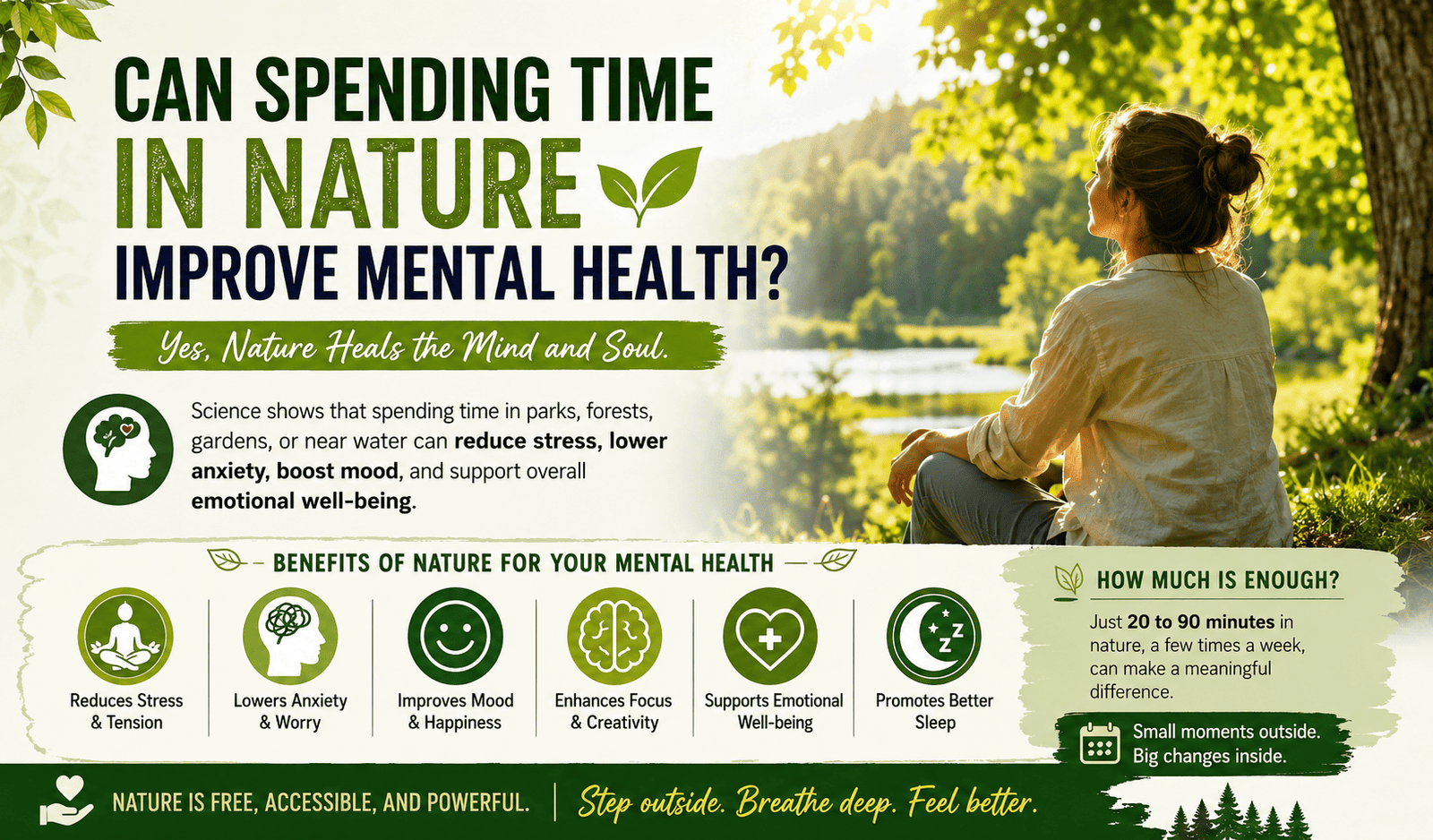
Yes. Spending time in nature can improve mental health by reducing stress, lowering anxiety, improving mood, and supporting overall emotional well-being. Even spending 20–90 minutes in parks, forests, gardens, or near water can help many people feel calmer and mentally refreshed. Nature works best as a healthy lifestyle habit alongside good sleep, exercise, social connection, … Read more

Why Do Small Tasks Feel So Difficult?

Why Do Small Tasks Feel So Difficult?

Small tasks often feel difficult because your brain must activate executive functions such as planning, prioritizing, initiating action, and maintaining attention. Stress, poor sleep, anxiety, burnout, ADHD, depression, and mental fatigue can all increase the mental effort required to start even the simplest activities. Many people have experienced sitting in front of a laptop for … Read more

What Is Decision Fatigue and How Can I Prevent It?

What Is Decision Fatigue and How Can I Prevent It?

Decision fatigue is the mental exhaustion that develops after making too many decisions throughout the day. As your brain’s cognitive resources become depleted, decision quality declines, making you more likely to procrastinate, make impulsive choices, or avoid decisions altogether. You can prevent it by creating routines, reducing unnecessary choices, making important decisions early in the … Read more

How Can I Build Emotional Resilience?

How Can I Build Emotional Resilience?

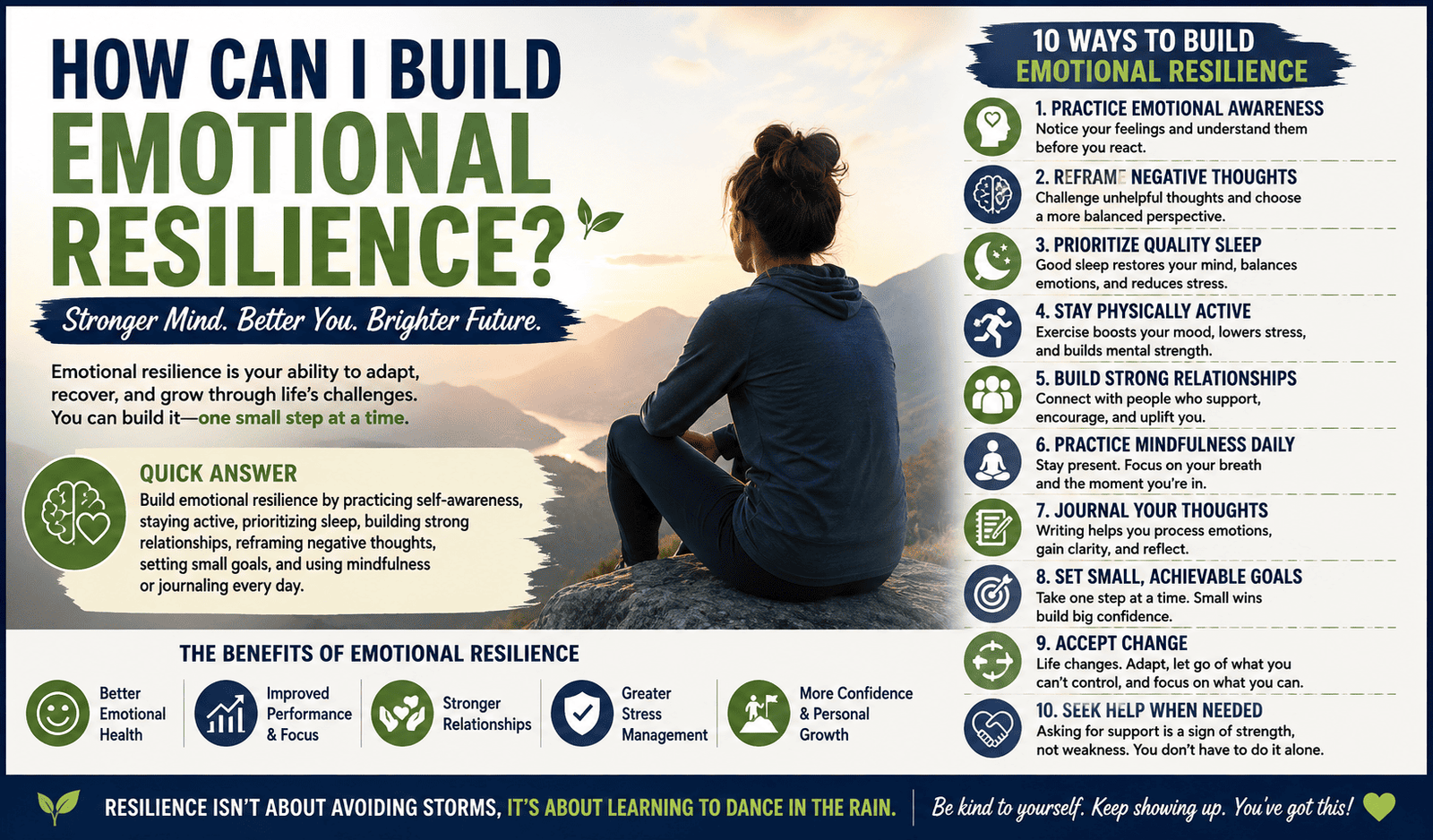
Emotional resilience is the ability to adapt, recover, and grow through stress, setbacks, and life challenges. You can strengthen it by practicing emotional awareness, improving sleep and physical activity, building supportive relationships, reframing negative thoughts, setting realistic goals, and using mindfulness or journaling consistently. Emotional resilience is a skill that anyone can develop with daily … Read more

Can Loneliness Affect Mental Health?

Can Loneliness Affect Mental Health?

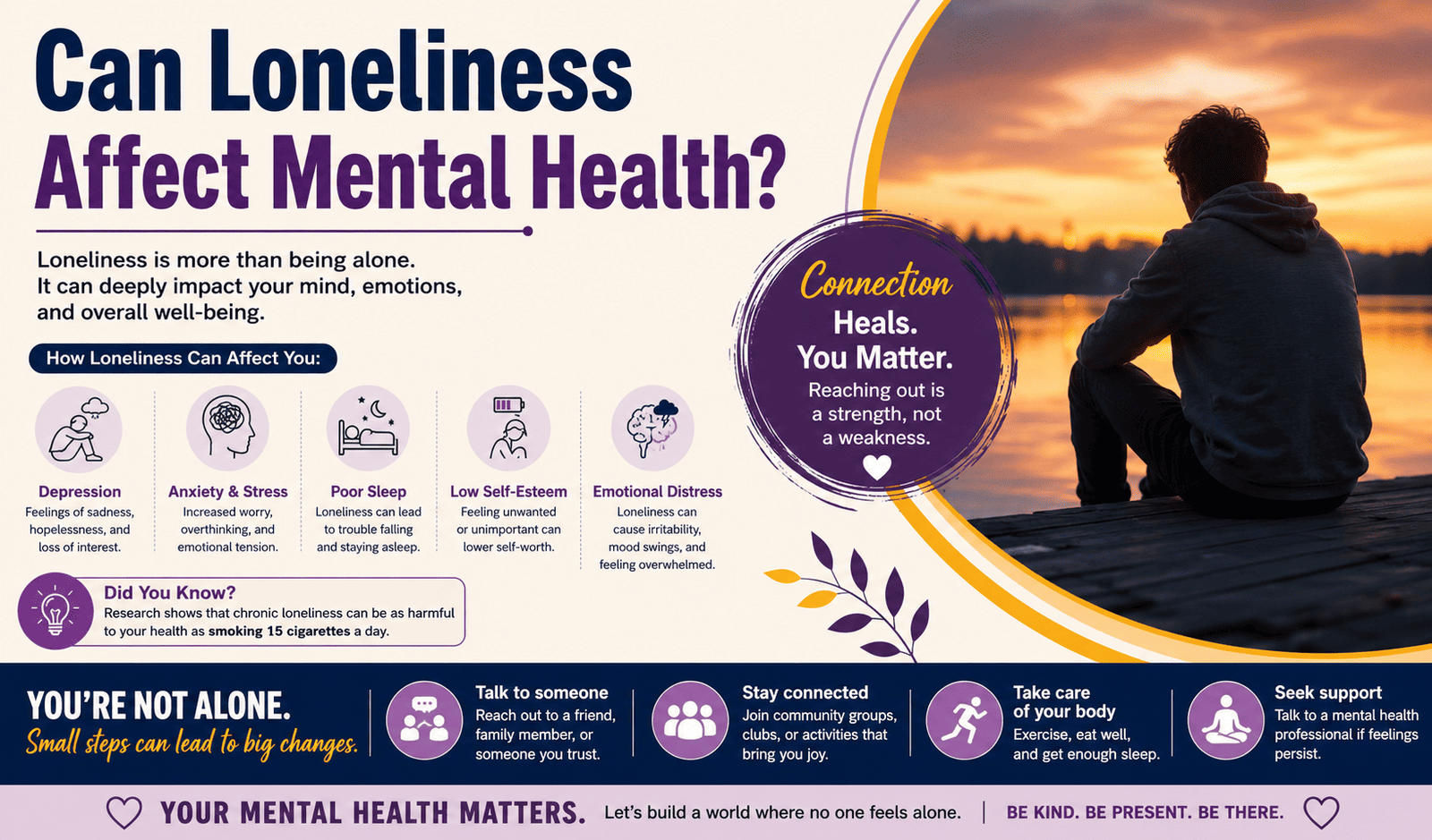
Yes, loneliness can significantly affect mental health. Persistent loneliness increases the risk of depression, anxiety, chronic stress, poor sleep, low self-esteem, and emotional distress. Although loneliness is not a mental illness itself, long-term feelings of social disconnection can contribute to the development or worsening of several mental health conditions. Introduction Loneliness is more than simply … Read more

Why Do I Feel Unmotivated Every Morning?

Why Do I Feel Unmotivated Every Morning?

If you’re asking, “Why do I feel unmotivated every morning?” the most common reasons include poor sleep quality, an irregular circadian rhythm, stress, sleep inertia, nutrient deficiencies, and underlying mental health conditions. Your brain and body rely on hormones like cortisol and melatonin to regulate energy, and when that natural rhythm is disrupted, waking up … Read more

How Does Exercise Improve Mental Well-Being?

How Does Exercise Improve Mental Well-Being?

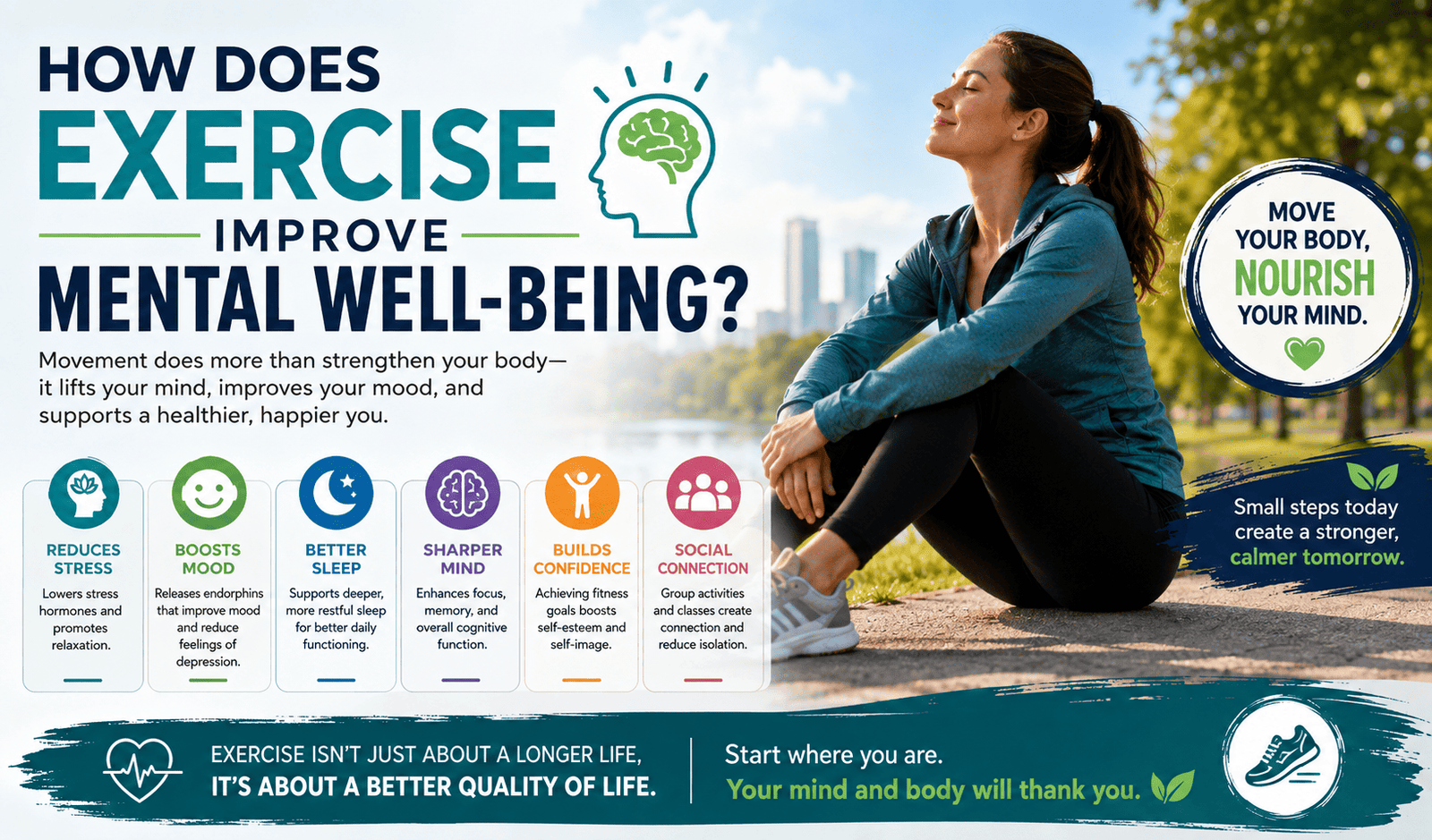
Exercise improves mental well-being by helping reduce symptoms of stress, anxiety, and depression while supporting better sleep, mood, cognitive function, confidence, and overall quality of life. Physical activity can influence the brain and body in several ways, including reducing physiological stress, supporting healthy brain function, and creating opportunities for routine, achievement, social connection, and time … Read more

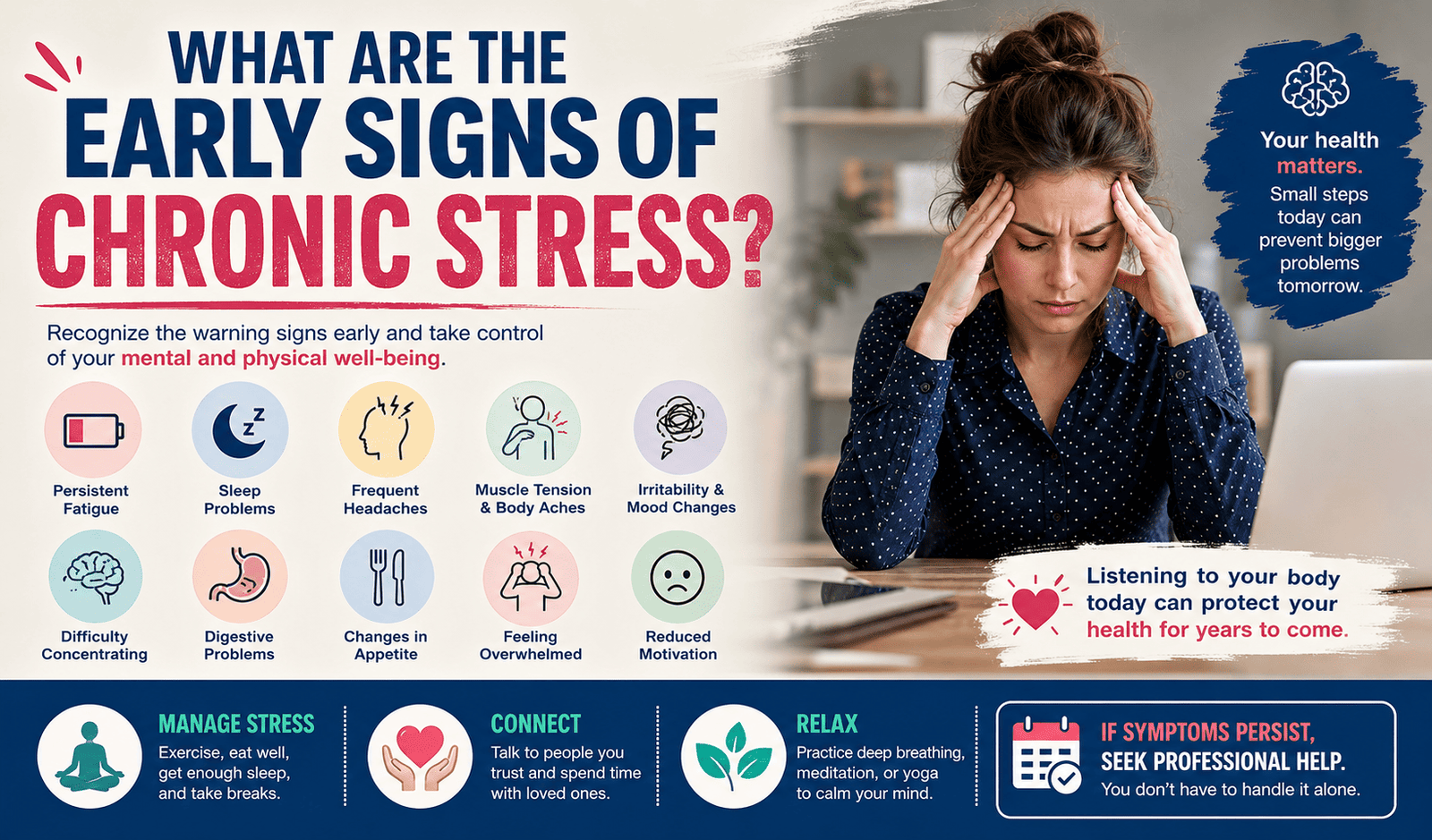
What Are the Early Signs of Chronic Stress?

What Are the Early Signs of Chronic Stress?

The early signs of chronic stress can include persistent fatigue, poor sleep, headaches, muscle tension, digestive discomfort, irritability, anxiety, difficulty concentrating, changes in appetite, and feeling overwhelmed. Unlike short-term stress, chronic stress continues for an extended period and may gradually affect both mental and physical health. Recognizing these warning signs early can help you take … Read more

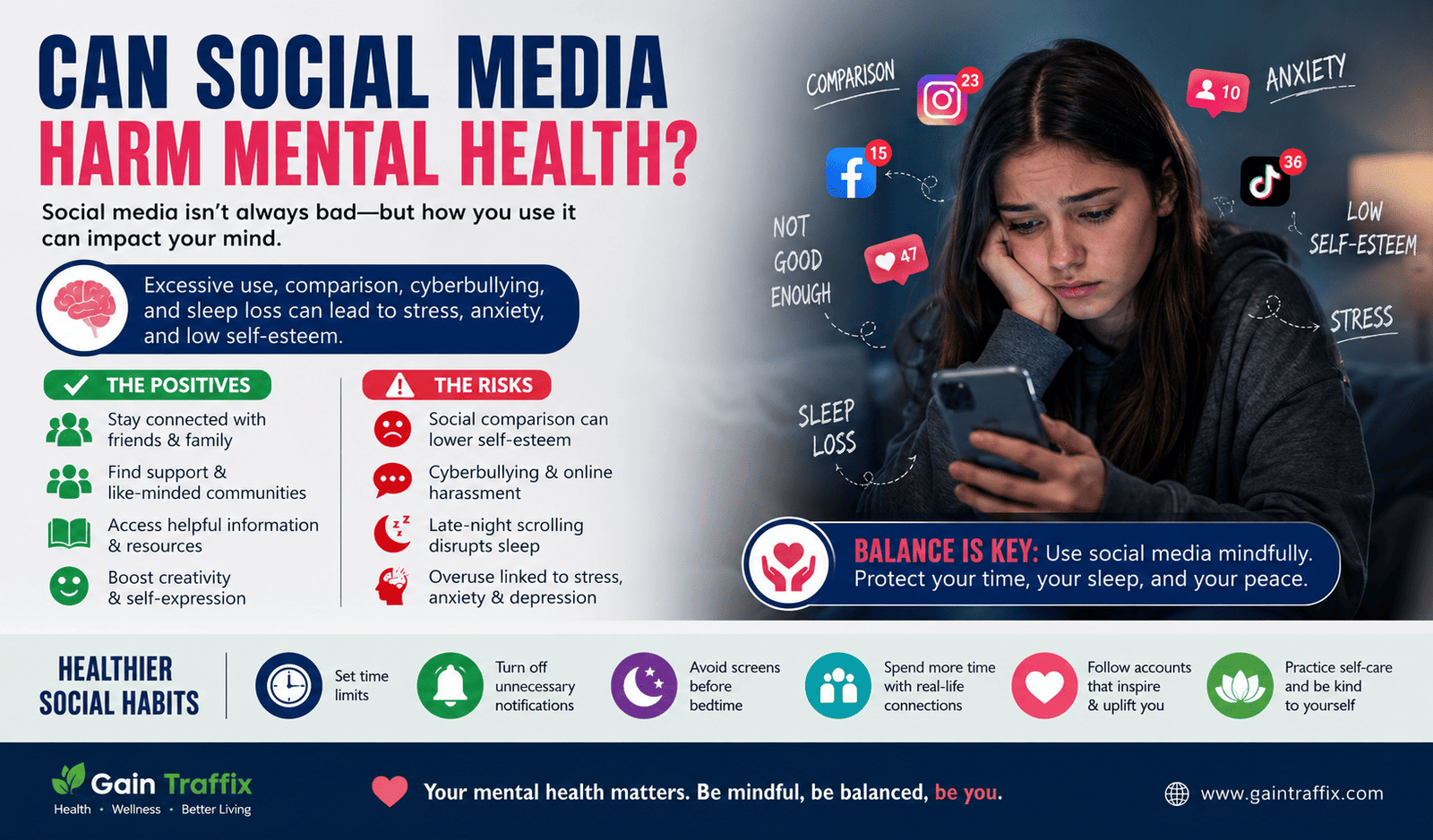
Can Social Media Harm Mental Health?

Can Social Media Harm Mental Health?

Yes, social media can harm mental health in some people, particularly when use becomes excessive, disrupts sleep, encourages unhealthy social comparison, exposes users to cyberbullying or harmful content, or begins replacing meaningful offline relationships. However, social media is not inherently harmful. Research from the American Psychological Association (APA) indicates that its effects depend on factors … Read more

Why Do I Feel Emotionally Numb?

Why Do I Feel Emotionally Numb?

If you are wondering, “Why do I feel emotionally numb?”, it may be because your mind and body are responding to prolonged stress, emotional overwhelm, trauma, anxiety, depression, grief, burnout, or certain medications. Emotional numbness can make you feel disconnected, empty, detached, or unable to experience emotions that you normally would. It is not a … Read more