
Aging is something every person experiences, but not everyone ages at the same pace. While two people may both be 50 years old, one may have the physical health, energy, and cognitive function of someone much younger, while the other struggles with chronic illnesses commonly associated with older age. This difference has led researchers to focus on a concept known as biological aging, which refers to how old your body actually functions rather than the number of birthdays you’ve celebrated.
So, can you slow down biological aging?
According to growing scientific evidence, the answer is yes—to some extent. While no lifestyle habit can stop aging completely, many daily choices appear to influence how quickly cells and organs decline over time. Nutrition, regular physical activity, quality sleep, stress management, avoiding smoking, limiting alcohol, and maintaining healthy relationships all play important roles in supporting healthy aging.
Researchers continue to study the biology of aging, including DNA damage, inflammation, mitochondrial function, telomere length, and epigenetic changes. Although scientists are still learning exactly how these mechanisms work, current evidence strongly supports that healthy lifestyle habits can improve overall healthspan—the years spent living in good health—even if they cannot eliminate aging itself.
This article explores what biological aging means, what science says about slowing it down, and practical ways Americans can support healthy aging throughout life.
What Is Biological Aging?
Chronological age simply counts the number of years you’ve been alive. Biological age reflects how well your body’s systems are functioning.
Biological aging includes changes occurring inside nearly every organ and tissue. These include reduced muscle mass, slower metabolism, decreased bone density, increased inflammation, changes in hormone levels, reduced immune function, and gradual wear and tear on cells.
Scientists estimate biological age using several biomarkers, including blood tests, inflammatory markers, cardiovascular health, metabolic function, and newer epigenetic clocks that analyze patterns of DNA methylation.
Someone with excellent health habits may have a biological age several years younger than their chronological age, while unhealthy lifestyle choices may accelerate biological aging.
Also Read : Why Americans Are Focusing on Healthspan Instead of Lifespan?
Why Does Biological Aging Happen?
Aging is driven by numerous interconnected biological processes.
Cells constantly experience damage from normal metabolism, environmental exposures, ultraviolet radiation, pollution, infections, and oxidative stress. Although the body repairs much of this damage, repair systems become less efficient over time.
Researchers have identified several key hallmarks of aging, including genomic instability, telomere shortening, mitochondrial dysfunction, cellular senescence, chronic inflammation, altered nutrient sensing, and reduced stem cell function.
These changes gradually reduce the body’s ability to maintain healthy tissues, increasing the risk of heart disease, diabetes, cancer, osteoporosis, dementia, and other age-related conditions.
Can Lifestyle Really Slow Biological Aging?
Modern research consistently shows that lifestyle has a major influence on healthy aging.
Genes certainly matter, but genetics explain only part of how people age. Environmental factors and everyday behaviors often have an even greater impact.
Healthy habits appear to lower inflammation, improve cardiovascular function, support immune health, preserve muscle mass, reduce insulin resistance, improve brain health, and protect cells from excessive damage.
Instead of promising longer lifespan alone, experts increasingly focus on increasing healthspan, meaning living more years free from disability and chronic disease.
Also Read : The Science Behind Longevity Explained.
The Role of Nutrition in Healthy Aging
Diet remains one of the strongest lifestyle factors associated with biological aging.
Eating patterns rich in vegetables, fruits, legumes, whole grains, nuts, seeds, fish, and healthy fats consistently show associations with lower risks of chronic disease and healthier aging.
These foods provide antioxidants, vitamins, minerals, fiber, and beneficial plant compounds that help reduce oxidative stress and chronic inflammation.
Highly processed foods, sugary beverages, refined carbohydrates, excessive sodium, and unhealthy fats may contribute to obesity, insulin resistance, cardiovascular disease, and inflammation that may accelerate biological aging.
Protein also becomes increasingly important with age because it helps preserve muscle mass and physical function. Older adults often benefit from spreading protein intake throughout the day.
Hydration also supports healthy aging by maintaining circulation, kidney function, digestion, temperature regulation, and cognitive performance.
Exercise: One of the Most Powerful Anti-Aging Tools
Regular physical activity is among the most effective ways to support healthy aging.
Exercise benefits nearly every organ system. It strengthens the heart, lungs, muscles, bones, immune system, and brain while improving mood and metabolic health.
Aerobic exercise improves cardiovascular fitness and helps reduce the risk of heart disease and diabetes.
Strength training becomes especially valuable after age 40 because muscle mass naturally declines with age. Resistance exercise helps preserve muscle, maintain independence, improve balance, and reduce fall risk.
Flexibility and balance exercises such as yoga or tai chi further support mobility and reduce injury risk.
Even moderate daily movement, including walking, gardening, or cycling, contributes to healthier aging.
Also Read : Daily Habits That Support Healthy Aging
Sleep and Biological Aging
Sleep is often overlooked despite its enormous impact on health.
During sleep, the body repairs tissues, regulates hormones, strengthens immune function, consolidates memories, and removes waste products from the brain.
Poor sleep has been associated with increased inflammation, obesity, insulin resistance, depression, cardiovascular disease, and impaired immune function.
Adults generally benefit from seven to nine hours of quality sleep each night.
Healthy sleep habits include maintaining a consistent bedtime, limiting caffeine late in the day, reducing evening screen exposure, keeping the bedroom cool and dark, and establishing a relaxing bedtime routine.
Stress Management and Aging
Chronic psychological stress affects both mental and physical health.
Long-term stress increases cortisol production, which may contribute to inflammation, elevated blood pressure, weakened immunity, poor sleep, and unhealthy eating behaviors.
Managing stress does not eliminate life’s challenges, but it helps reduce their physiological impact.
Mindfulness meditation, deep breathing, regular exercise, hobbies, spending time outdoors, social connection, adequate sleep, and counseling when needed all contribute to healthier stress management.
People with stronger emotional resilience often experience better long-term health outcomes.
Also Read : How to Live Longer Naturally?
Why Muscle Matters More Than You Think?
One of the biggest predictors of healthy aging is maintaining muscle.
Beginning in midlife, adults naturally lose muscle mass unless they actively work to preserve it.
Loss of muscle increases frailty, reduces mobility, raises fall risk, slows metabolism, and decreases independence.
Resistance training combined with adequate dietary protein supports muscle maintenance throughout adulthood.
Healthy muscle also improves blood sugar regulation, metabolic health, and overall quality of life.
The Importance of Heart Health
Your cardiovascular system largely determines how well your body ages.
Healthy blood vessels deliver oxygen and nutrients to every organ.
Managing blood pressure, cholesterol, blood sugar, and body weight reduces the risk of heart attacks, strokes, kidney disease, and cognitive decline.
Regular exercise, healthy eating, avoiding smoking, limiting alcohol, and routine medical checkups all contribute to cardiovascular longevity.
Smoking and Alcohol
Smoking remains one of the strongest accelerators of biological aging.
Tobacco smoke damages DNA, increases inflammation, reduces lung function, harms blood vessels, and dramatically increases cancer risk.
Quitting smoking provides benefits at nearly every age.
Alcohol deserves moderation. Heavy drinking contributes to liver disease, high blood pressure, certain cancers, poor sleep, and cognitive decline.
People who choose to drink should follow current medical recommendations regarding moderate alcohol consumption.
Also Read : Healthspan vs Lifespan: What’s the Difference?
Healthy Weight Without Extreme Dieting
Maintaining a healthy weight supports nearly every aspect of aging.
However, crash diets and rapid weight loss are rarely sustainable and may reduce muscle mass.
Instead, experts recommend long-term eating patterns focused on nutrient density rather than calorie restriction alone.
Small sustainable habits often produce better lifelong outcomes than short-term restrictive diets.
Brain Health and Cognitive Aging
Healthy aging includes protecting the brain.
Regular physical activity increases blood flow to the brain and supports cognitive function.
Learning new skills, reading, solving puzzles, social engagement, quality sleep, and managing cardiovascular risk factors all contribute to long-term brain health.
Nutrition also plays a role, particularly diets rich in omega-3 fatty acids, leafy greens, berries, and other antioxidant-rich foods.
Also Read : How to improve immune system naturally?
The Gut Microbiome and Aging
Researchers increasingly recognize the importance of the gut microbiome.
The trillions of bacteria living in the digestive tract influence digestion, immunity, inflammation, metabolism, and even aspects of mental health.
Fiber-rich foods, fruits, vegetables, legumes, fermented foods, and whole grains help support a diverse and healthy microbiome.
Although probiotic supplements may benefit certain individuals, overall dietary quality remains more important than relying on supplements alone.
Can Supplements Slow Aging?
Many supplements are marketed as anti-aging solutions.
Currently, no supplement has been proven to stop biological aging in healthy adults.
Some people may benefit from vitamins or minerals when deficiencies exist, such as vitamin D, vitamin B12, calcium, or iron under medical guidance.
Taking large amounts of supplements without medical advice may cause harm.
Obtaining nutrients from a balanced diet remains the preferred approach for most people.
What About Longevity Drugs?
Scientists continue studying medications that may influence aging pathways.
Compounds such as metformin, rapamycin, and senolytic therapies are being investigated for their potential effects on healthy aging.
However, these treatments remain under active research and are not currently recommended as general anti-aging therapies for healthy individuals outside appropriate medical supervision or clinical trials.
Lifestyle interventions continue to provide the strongest evidence for promoting healthy aging.
Also Read : What causes chronic inflammation?
Social Connections Matter
Healthy relationships influence both mental and physical well-being.
People with strong social networks often experience lower rates of depression, cognitive decline, and chronic disease.
Meaningful friendships, family support, volunteering, community involvement, and regular social interaction all contribute to healthier aging.
Loneliness has become recognized as an important public health concern because prolonged social isolation may negatively affect both physical and emotional health.
Regular Preventive Healthcare
Preventive healthcare remains essential throughout adulthood.
Routine screenings help identify conditions before symptoms develop.
Regular checkups may include blood pressure monitoring, cholesterol testing, diabetes screening, cancer screenings, vaccinations, eye exams, hearing evaluations, dental care, and bone density assessments depending on age and personal risk factors.
Early detection often leads to better health outcomes.
Also Read : Why do I feel older than my age?
Myths About Biological Aging
Many misconceptions surround aging.
One common myth is that aging is entirely determined by genetics. While genes influence longevity, lifestyle choices significantly affect health outcomes.
Another myth is that older adults cannot build muscle. Research consistently shows resistance training benefits adults well into their 70s, 80s, and beyond.
Some believe expensive supplements or anti-aging products reverse aging. Current evidence does not support most commercial anti-aging claims.
Healthy aging usually results from consistent daily habits rather than miracle products.
Practical Daily Habits That Support Healthy Aging
Healthy aging develops through long-term consistency rather than perfection.
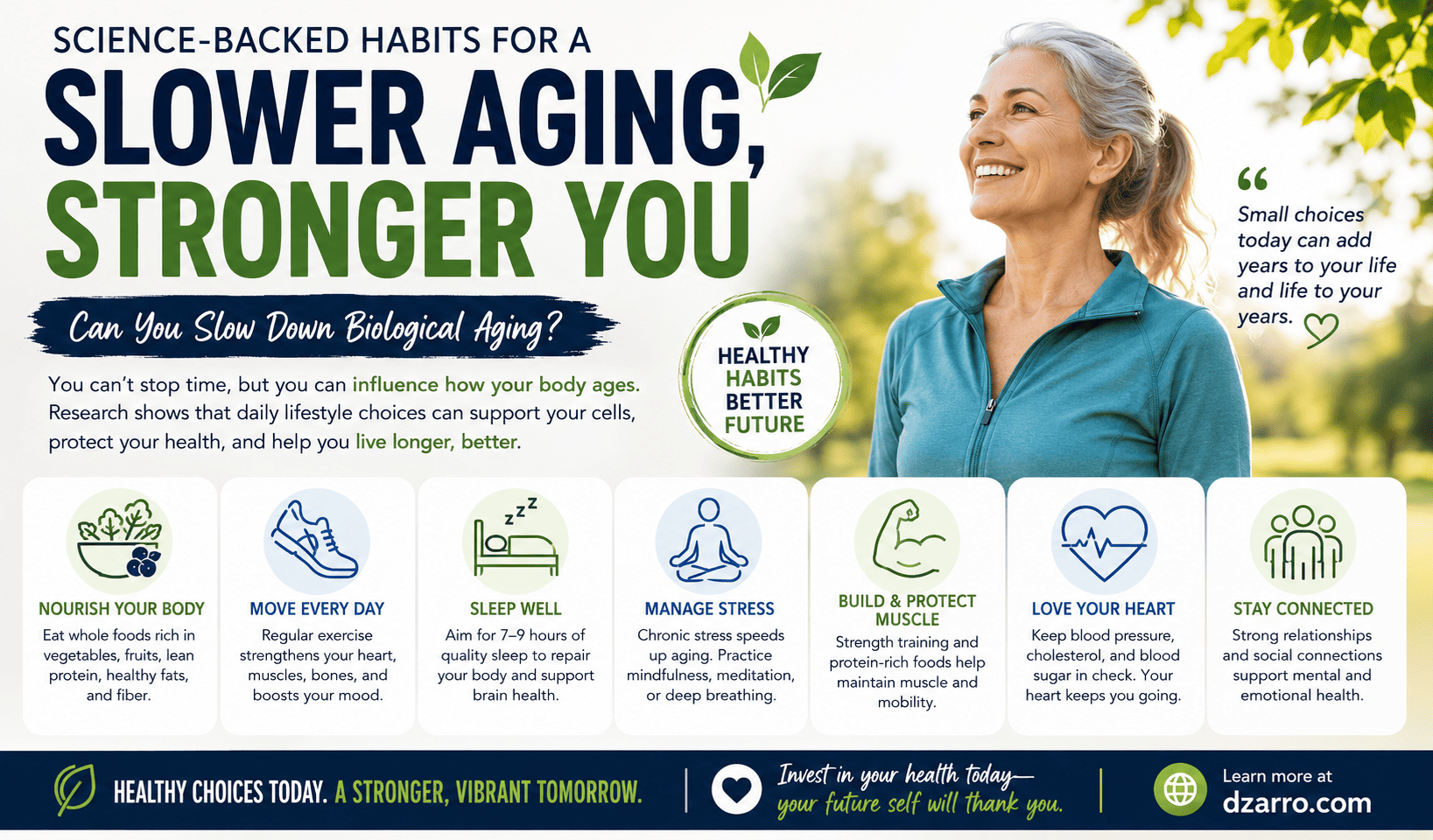
Eating colorful whole foods, exercising regularly, sleeping well, maintaining social relationships, managing stress, staying mentally active, avoiding tobacco, limiting alcohol, staying hydrated, and attending preventive healthcare appointments collectively support healthier biological aging.
Small improvements repeated daily often produce substantial long-term benefits.
Also Read : What supplements support healthy aging?
Conclusion
Can you slow down biological aging? Current scientific evidence suggests that while aging cannot be stopped, many aspects of biological aging may be influenced by healthy lifestyle choices. Nutrition, exercise, quality sleep, stress management, maintaining muscle, protecting cardiovascular health, avoiding smoking, staying socially connected, and receiving preventive medical care all contribute to healthier aging.
Rather than searching for a miracle cure, the most effective strategy is adopting sustainable habits that improve overall health throughout life. These habits may not eliminate aging, but they can help you maintain independence, vitality, and a higher quality of life for many years to come.
Remember that individual health needs vary. If you have chronic medical conditions or are considering major lifestyle changes, discuss your plans with a qualified healthcare professional.

Prevention is better than treatment.
Frequently Asked Questions (FAQs)
1. Is biological age different from chronological age?
Yes. Chronological age is the number of years you’ve lived, while biological age reflects how well your body functions based on various health indicators.
2. Can exercise reverse biological aging?
Exercise cannot completely reverse aging, but regular physical activity may improve many biological markers associated with healthier aging and reduce the risk of chronic disease.
3. Which diet is best for healthy aging?
Eating patterns emphasizing vegetables, fruits, whole grains, legumes, fish, nuts, seeds, and healthy fats have the strongest evidence for supporting healthy aging.
4. Do anti-aging supplements really work?
No supplement has been conclusively proven to stop biological aging in healthy adults. Supplements may help when treating specific nutrient deficiencies under medical supervision.
5. Does stress speed up aging?
Chronic unmanaged stress is associated with inflammation, poor sleep, and increased risk of chronic disease, all of which may contribute to faster biological aging.
6. Is it ever too late to improve biological aging?
No. Research shows people can benefit from healthier eating, regular exercise, smoking cessation, improved sleep, and stress management at almost any age.
7. How much sleep supports healthy aging?
Most adults need between seven and nine hours of quality sleep each night to support physical recovery, immune function, and brain health.
8. Can biological age be measured?
Researchers use various biomarkers, blood tests, and epigenetic measurements to estimate biological age, although these assessments continue to evolve and are not routinely used in standard healthcare.
Medical Disclaimer: This article is for educational purposes only and does not replace professional medical advice, diagnosis, or treatment. Always consult a qualified healthcare provider before making significant changes to your diet, exercise routine, medications, or health management plan.
Medically reviewed information sourced from trusted health organizations.
References
- National Institute on Aging (NIA). Healthy Aging and Longevity Resources.
https://www.nia.nih.gov/health - National Institutes of Health (NIH). Healthy Aging Research.
https://www.nih.gov/health-information - Centers for Disease Control and Prevention (CDC). Healthy Aging.
https://www.cdc.gov/aging - Harvard T.H. Chan School of Public Health. Nutrition and Healthy Aging.
https://www.hsph.harvard.edu/nutritionsource
Reviewed by: Dzarro Editorial Team
Fact-checked using trusted medical and scientific sources.

Sandip Choudhary is a Health & Wellness Researcher and Content Creator specializing in sleep, digestive health, preventive wellness, and evidence-based health education. He has been creating online content and researching health-related topics for several years, focusing on translating complex medical information into practical guidance for everyday readers.
With a strong background in SEO and content strategy, Sandip ensures that every article is optimized for both search engines and real users. His goal is to provide reliable, clear, and helpful information that supports healthier living.
Disclaimer: The content published is for informational purposes only and is not a substitute for professional medical advice.
3 thoughts on “Can You Slow Down Biological Aging?”
Comments are closed.