What Is Decision Fatigue and How Can I Prevent It?

What Is Decision Fatigue and How Can I Prevent It?

Decision fatigue is the mental exhaustion that develops after making too many decisions throughout the day. As your brain’s cognitive resources become depleted, decision quality declines, making you more likely to procrastinate, make impulsive choices, or avoid decisions altogether. You can prevent it by creating routines, reducing unnecessary choices, making important decisions early in the … Read more
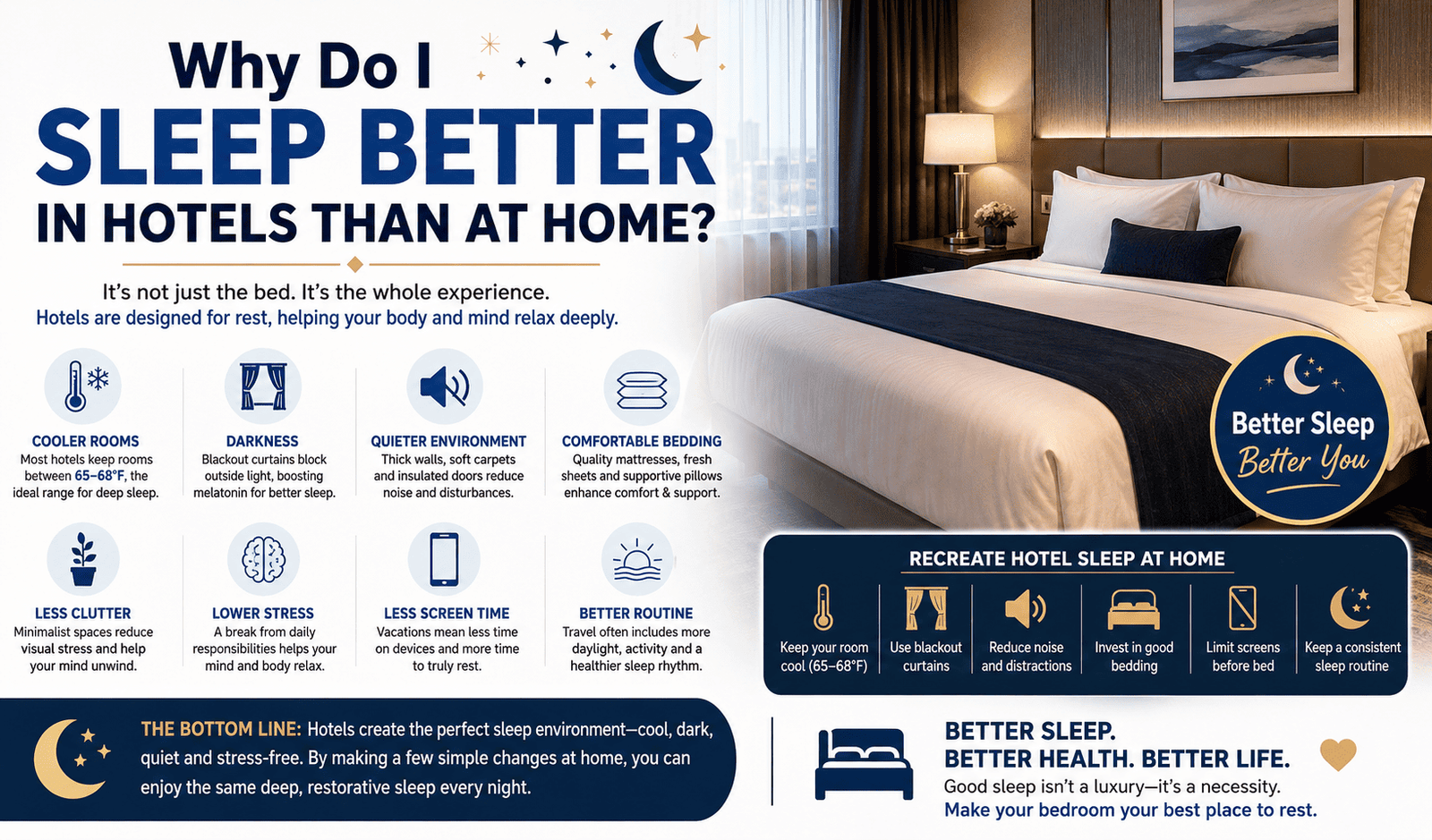
Why Do I Sleep Better in Hotels Than at Home?

Why Do I Sleep Better in Hotels Than at Home?

If you’ve ever asked yourself, “Why do I sleep better in hotels than at home?”, you’re not alone. The reason is usually a combination of psychology, bedroom design, temperature, lighting, noise control, and reduced daily stress. Hotel rooms are intentionally created to help guests relax, making it easier to fall asleep faster and enjoy deeper, … Read more

What is the 30-30-30 rule for weight loss?

What is the 30-30-30 rule for weight loss?

The 30-30-30 rule for weight loss is a simple morning routine that encourages you to eat 30 grams of protein within 30 minutes of waking up, followed by 30 minutes of low-intensity cardio such as brisk walking or cycling. While this routine can support healthy weight loss by improving fullness and promoting daily movement, long-term … Read more

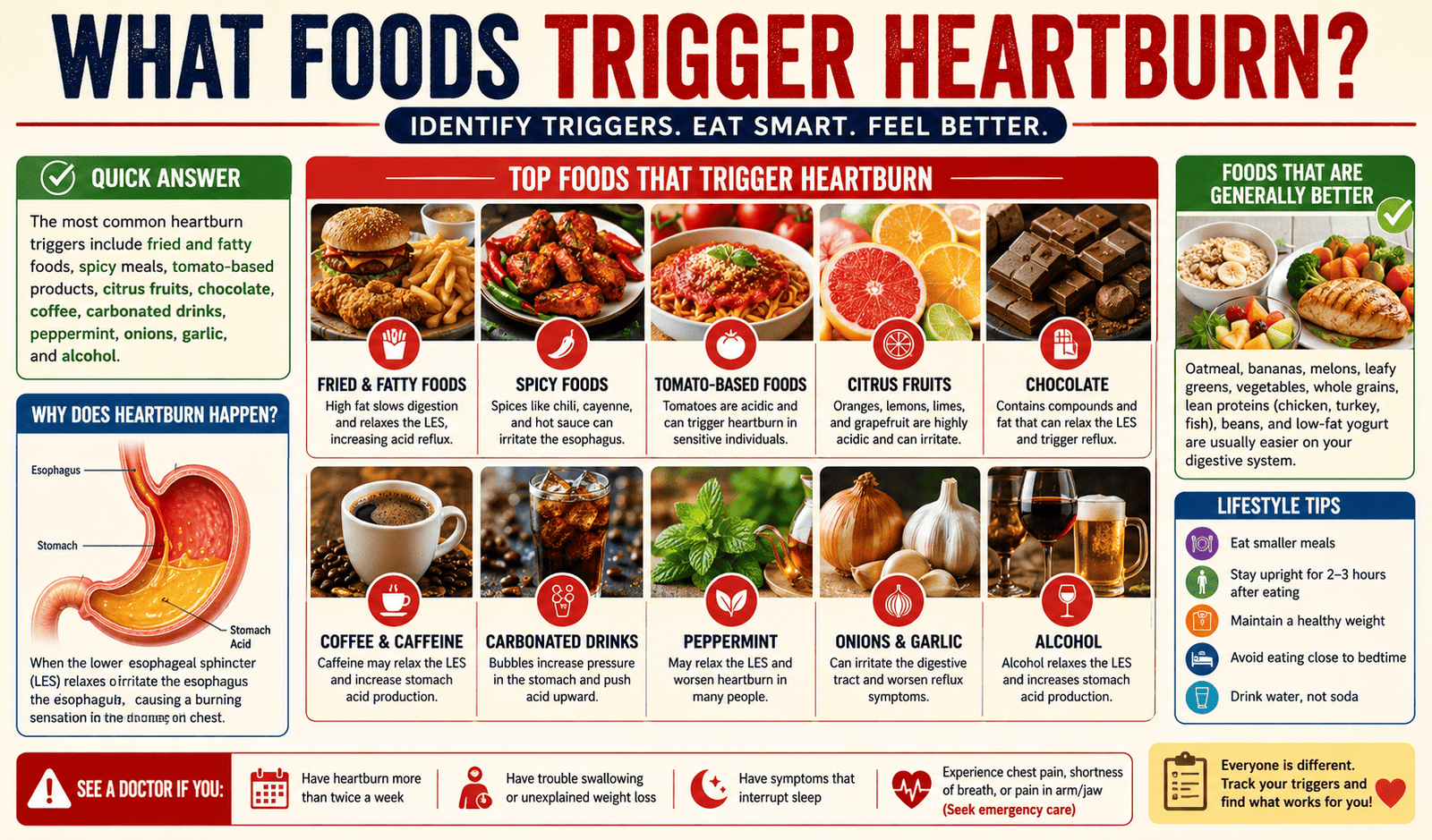
What Foods Trigger Heartburn?

What Foods Trigger Heartburn?

What foods trigger heartburn? The foods most commonly associated with heartburn include fried and fatty foods, spicy meals, tomato-based products, citrus fruits, chocolate, coffee, carbonated drinks, peppermint, onions, garlic, and alcohol. These foods may relax the lower esophageal sphincter, increase stomach acid, or irritate the esophagus, making acid reflux more likely. Heartburn is one of … Read more

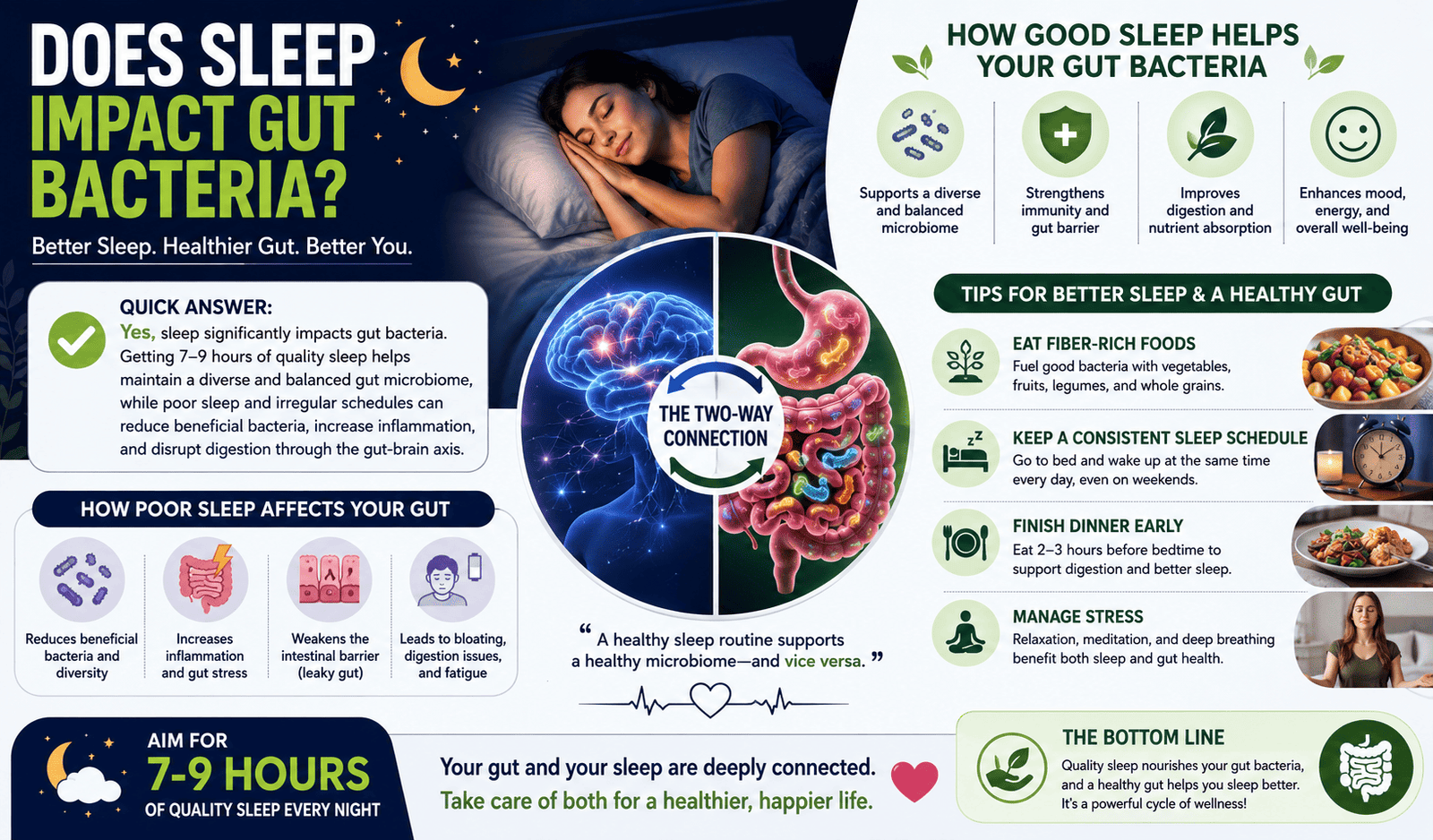
Does sleep impact gut bacteria?

Does sleep impact gut bacteria?

Yes, sleep significantly impacts gut bacteria. Getting 7–9 hours of quality sleep helps maintain a diverse and balanced gut microbiome, while poor sleep, irregular sleep schedules, and chronic sleep deprivation can reduce beneficial bacteria, increase inflammation, and disrupt digestion through the gut-brain axis. The connection between sleep and gut health has become one of the … Read more

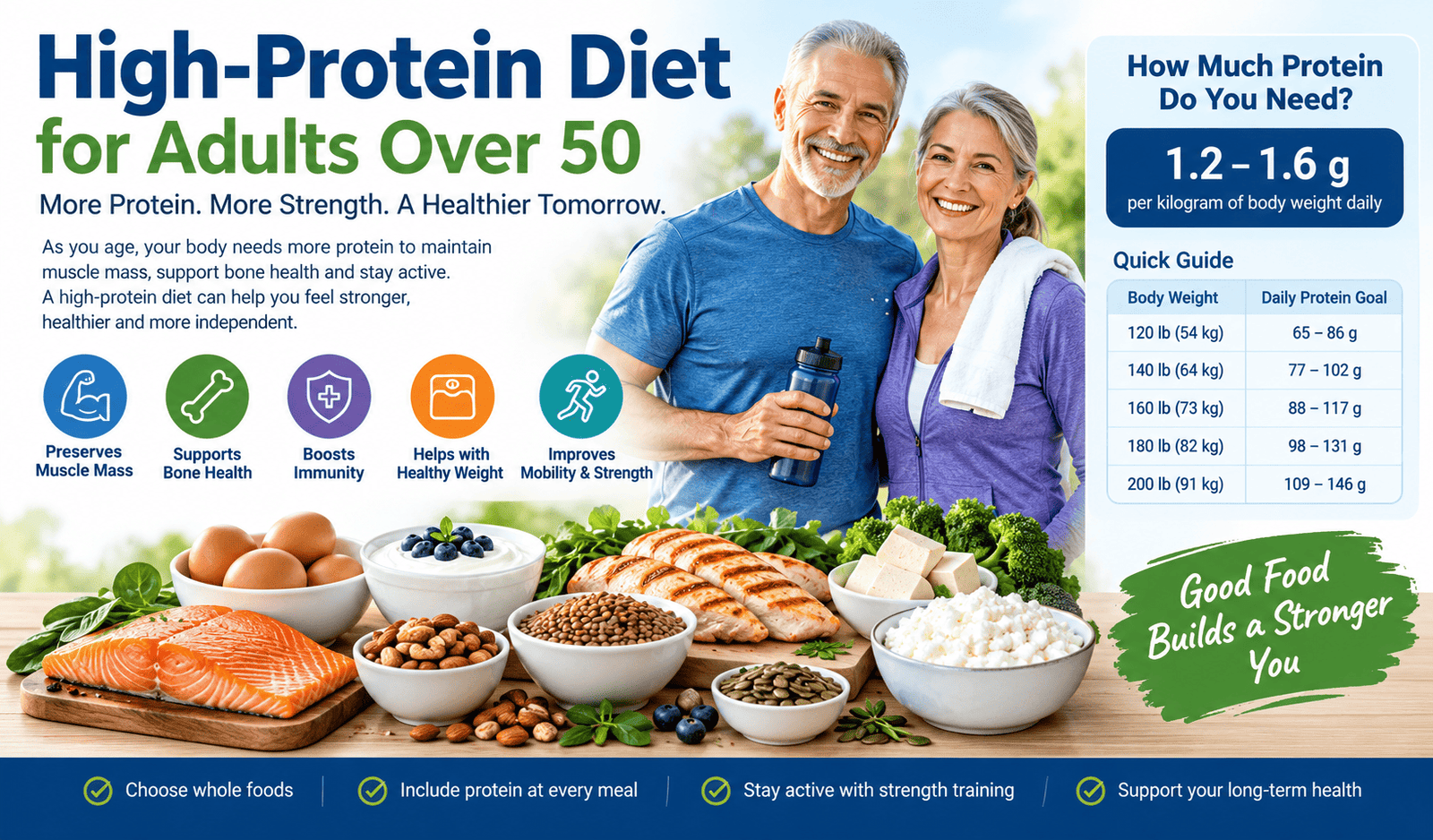
High-Protein Diet for Adults Over 50

High-Protein Diet for Adults Over 50

A High-Protein Diet for Adults Over 50 focuses on consuming approximately 1.2–1.6 grams of protein per kilogram of body weight each day while maintaining a balanced diet and staying physically active. This level of protein intake helps preserve muscle mass, supports healthy aging, strengthens bones, improves recovery, and may assist with healthy weight management. Introduction … Read more

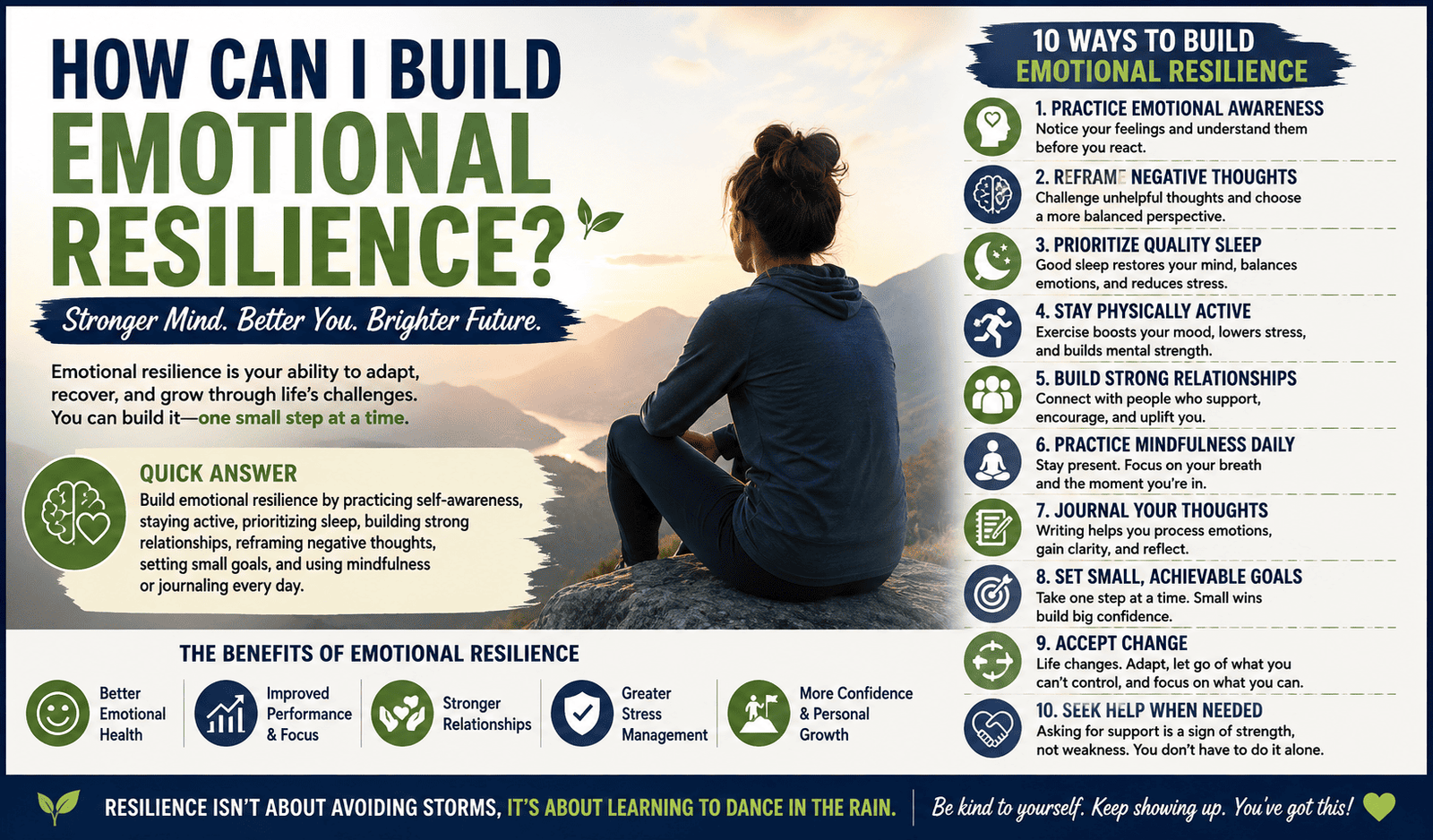
How Can I Build Emotional Resilience?

How Can I Build Emotional Resilience?

Emotional resilience is the ability to adapt, recover, and grow through stress, setbacks, and life challenges. You can strengthen it by practicing emotional awareness, improving sleep and physical activity, building supportive relationships, reframing negative thoughts, setting realistic goals, and using mindfulness or journaling consistently. Emotional resilience is a skill that anyone can develop with daily … Read more

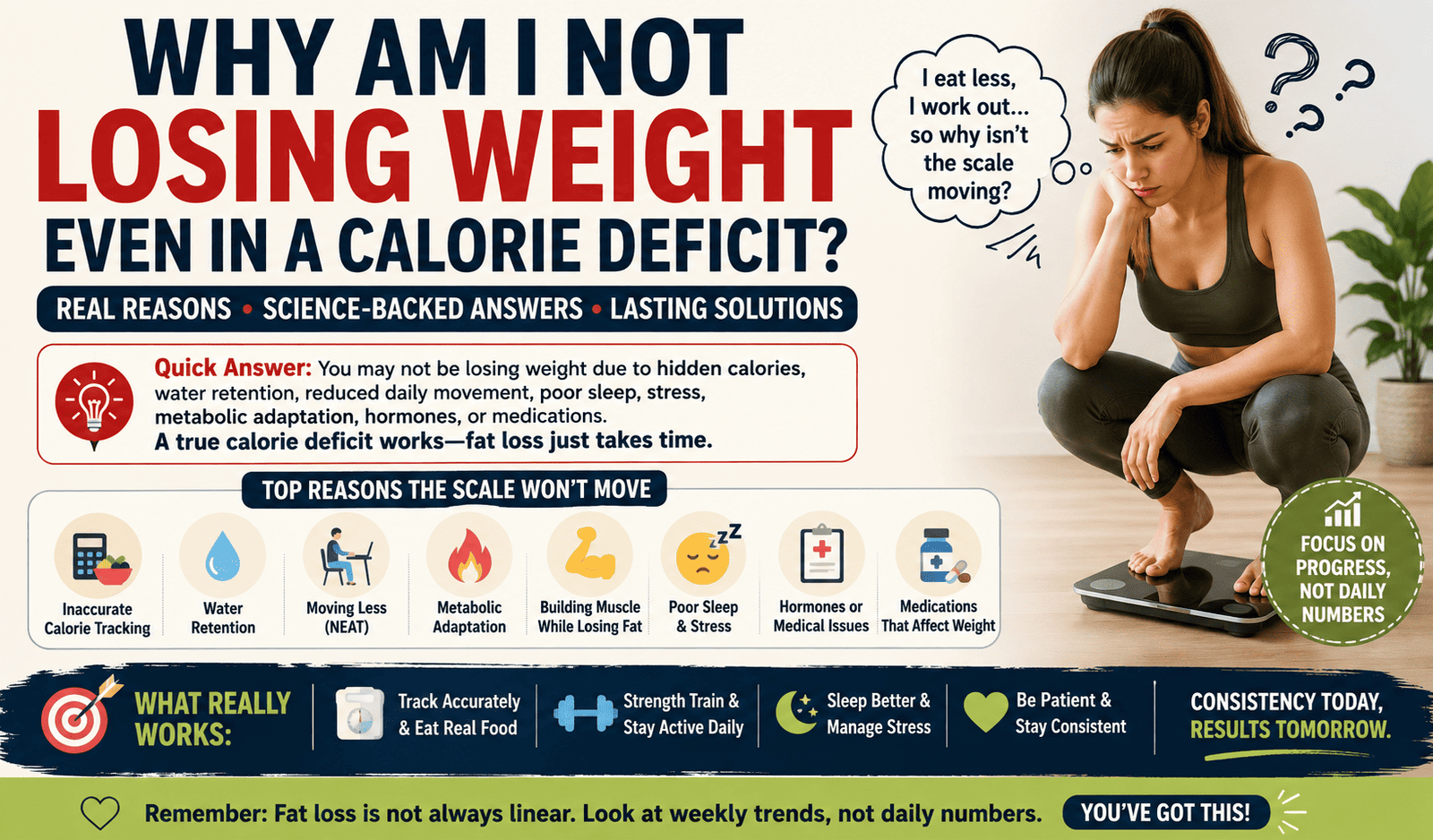
Why am I not losing weight even in a calorie deficit?

Why am I not losing weight even in a calorie deficit?

If you’re not losing weight even in a calorie deficit, the most common reasons include inaccurate calorie tracking, water retention, reduced daily movement, metabolic adaptation, poor sleep, chronic stress, hormonal conditions, or medications that affect body weight. A genuine calorie deficit leads to fat loss over time, but the scale may not change immediately because … Read more

How many calories should I eat to lose weight safely?

How many calories should I eat to lose weight safely?

Quick Answer : Most adults lose weight safely by creating a 300–500 calorie daily deficit, which typically results in losing 1–2 pounds (0.5–0.9 kg) per week. Your ideal calorie intake depends on your age, sex, height, weight, and activity level. Introduction If you’re trying to lose weight, you’ve probably asked yourself: How many calories should … Read more