
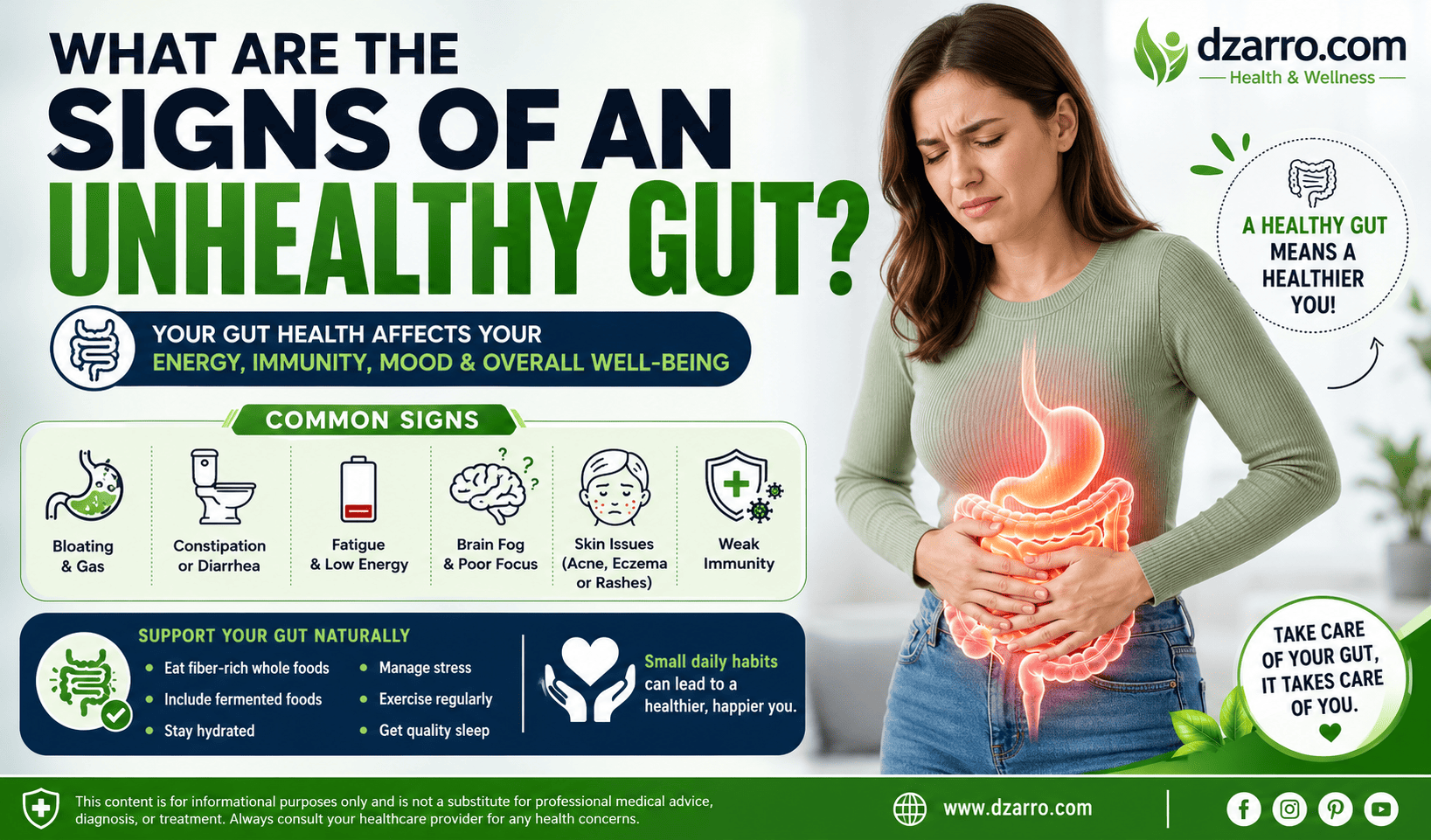
If you’ve been asking yourself, what are the signs of an unhealthy gut?, you’re not alone. Millions of Americans experience digestive discomfort, fatigue, skin problems, and unexplained health issues that may be connected to poor gut health. Your gut is much more than a digestive organ—it is home to trillions of microorganisms, collectively known as the gut microbiome, that play a critical role in digestion, immunity, metabolism, mental health, and overall well-being.
When the balance of beneficial and harmful bacteria becomes disrupted, your body may start sending warning signals. Recognizing these signs early can help you make lifestyle changes before they develop into more serious health concerns.
In this comprehensive guide, we’ll explore the most common signs of an unhealthy gut, potential causes, ways to restore gut health naturally, and when it’s time to seek medical advice.
What Is Gut Health?
Gut health refers to the proper functioning of your digestive system and the balance of microorganisms living inside your intestines. A healthy gut efficiently digests food, absorbs nutrients, supports immune function, produces essential vitamins, and helps protect against harmful bacteria.
Nearly 70% of your immune system resides in your digestive tract, making gut health one of the foundations of overall health.
Also Read : Can gut health affect energy levels?
What Are the Signs of an Unhealthy Gut?
An unhealthy gut doesn’t always cause obvious digestive symptoms. Many signs appear throughout the body because the gut influences multiple systems.
1. Frequent Digestive Problems
Persistent digestive discomfort is often the first indication of poor gut health.
Common digestive symptoms include:
- Bloating
- Gas
- Constipation
- Diarrhea
- Heartburn
- Stomach pain
- Indigestion
Occasional digestive upset is normal. However, symptoms occurring several times a week or lasting for weeks should not be ignored.
2. Chronic Fatigue and Low Energy
Feeling tired despite getting enough sleep may indicate your gut isn’t properly absorbing nutrients or is experiencing chronic inflammation.
Poor gut health may reduce absorption of important nutrients such as:
- Iron
- Vitamin B12
- Magnesium
- Folate
Deficiencies in these nutrients can contribute to fatigue, weakness, and poor concentration.
Also Read : Can gut health affect mental health?
3. Brain Fog and Difficulty Concentrating
The gut and brain communicate constantly through what’s known as the gut-brain axis.
When gut bacteria become imbalanced, many people experience:
- Difficulty focusing
- Poor memory
- Slower thinking
- Mental fatigue
Emerging research suggests that gut inflammation may influence mood and cognitive performance.
4. Frequent Food Intolerances
Food intolerance differs from food allergies.
People with an unhealthy gut often notice discomfort after eating foods such as:
- Dairy
- Gluten-containing products
- High-fat meals
- Artificial sweeteners
- Certain fruits or vegetables
Symptoms may include bloating, nausea, diarrhea, or abdominal discomfort.
5. Skin Problems
Many skin conditions may be linked to gut health.
Some individuals experience:
- Acne
- Rosacea
- Eczema
- Dry skin
- Psoriasis flare-ups
Although skin disorders have multiple causes, gut inflammation and microbial imbalance may contribute in some people.
Also Read : How long does gut healing take?
6. Unexplained Weight Changes
If you’re gaining or losing weight without significant changes to your diet or physical activity, your gut microbiome could be playing a role.
Poor gut health may affect:
- Appetite regulation
- Blood sugar control
- Fat storage
- Nutrient absorption
- Metabolism
Weight changes should always be evaluated by a healthcare provider because many medical conditions can cause similar symptoms.
7. Weak Immune System
Do you catch every cold that goes around?
Since much of your immune system is located in your digestive tract, poor gut health may reduce your body’s ability to fight infections.
Possible signs include:
- Frequent colds
- Longer recovery times
- Recurrent infections
- Increased inflammation
Also Read : Does fasting improve gut health?
8. Bad Breath
Persistent bad breath that doesn’t improve with brushing and flossing may sometimes be linked to digestive issues.
Problems such as acid reflux, poor digestion, or an imbalance in gut bacteria can contribute to unpleasant breath.
9. Mood Changes
Scientists continue studying the relationship between gut health and mental wellness.
People with gut imbalance sometimes report:
- Anxiety
- Low mood
- Irritability
- Increased stress
Your gut produces many neurotransmitters, including serotonin, which plays a role in regulating mood.
However, mental health conditions are complex and should always be evaluated by qualified healthcare professionals.
10. Sleep Problems
Poor gut health may interfere with healthy sleep patterns.
Some people experience:
- Trouble falling asleep
- Frequent nighttime waking
- Restless sleep
- Feeling unrefreshed in the morning
Sleep and gut health influence each other, creating a cycle where poor sleep can worsen gut health and vice versa.
Also Read : Best morning routine for gut health?
What Causes an Unhealthy Gut?
Several lifestyle and medical factors may disrupt your gut microbiome.
Common causes include:
Excessive consumption of ultra-processed foods, high sugar intake, chronic stress, inadequate sleep, lack of dietary fiber, smoking, excessive alcohol consumption, unnecessary antibiotic use, certain medications, sedentary lifestyle, dehydration, gastrointestinal infections, and chronic inflammatory conditions.
Most people experience a combination of these factors rather than a single cause.
Foods That Support a Healthy Gut
Nutrition plays one of the biggest roles in maintaining a healthy microbiome.
Foods that commonly support gut health include:
Whole grains provide fiber that nourishes beneficial bacteria. Fruits such as apples, berries, bananas, and pears contain prebiotics and antioxidants. Vegetables like broccoli, spinach, carrots, onions, asparagus, and leafy greens provide essential nutrients and fiber.
Fermented foods including yogurt with live cultures, kefir, kimchi, sauerkraut, and miso contain beneficial microorganisms that may help support microbial diversity.
Legumes, beans, lentils, nuts, and seeds also contribute valuable fiber and nutrients that encourage healthy digestion.
Also Read : Can stress damage gut bacteria?
Foods That May Negatively Affect Gut Health
No single food needs to be completely avoided for everyone, but regularly consuming large amounts of certain foods may negatively impact gut health.
These include highly processed foods, sugary beverages, excessive alcohol, foods high in added sugars, deep-fried foods, and diets consistently low in fiber.
Moderation and an overall balanced dietary pattern are generally more important than eliminating specific foods.
How to Improve Gut Health Naturally
Improving gut health usually involves consistent lifestyle habits rather than quick fixes.
Start by eating a variety of fiber-rich foods every day. Aim to include fruits, vegetables, legumes, whole grains, nuts, and seeds in your meals.
Drink enough water throughout the day to support digestion.
Exercise regularly, as physical activity has been associated with greater microbial diversity and improved digestive function.
Prioritize seven to nine hours of quality sleep each night.
Manage stress through mindfulness, meditation, deep breathing, yoga, or spending time outdoors.
Only use antibiotics when prescribed by a healthcare professional because unnecessary use can disrupt beneficial gut bacteria.
If you’re considering probiotic or prebiotic supplements, discuss them with your healthcare provider, especially if you have underlying medical conditions or a weakened immune system.
Also Read : What causes gut inflammation?
When Should You See a Doctor?
Many digestive symptoms improve with lifestyle changes, but some require medical evaluation.
Seek medical attention if you experience:
Persistent diarrhea lasting several days, severe abdominal pain, blood in the stool, unexplained weight loss, ongoing vomiting, persistent constipation that doesn’t improve, fever with digestive symptoms, difficulty swallowing, or symptoms that interfere with daily life.
These symptoms could indicate conditions that require prompt diagnosis and treatment.
Can an Unhealthy Gut Affect Overall Health?
Yes. Researchers continue to discover connections between gut health and numerous aspects of health, including immune function, metabolism, cardiovascular health, brain function, and inflammation.
While the gut microbiome plays an important role, it is only one factor among many that influence health. Genetics, lifestyle, environment, and existing medical conditions also contribute to overall wellness.
Also Read : Can probiotics reduce bloating?
Daily Habits for Better Gut Health
Small, consistent habits often have the greatest long-term impact. Eating balanced meals rich in fiber, staying physically active, getting adequate sleep, managing stress, drinking sufficient water, and limiting highly processed foods can all contribute to a healthier digestive system over time. Rather than looking for a quick cure, focus on building sustainable routines that support your gut every day.
Conclusion
Understanding what are the signs of an unhealthy gut can help you recognize early warning signs before they become more serious. Symptoms such as persistent bloating, constipation, diarrhea, fatigue, brain fog, skin problems, food intolerances, mood changes, and frequent illness may indicate that your digestive system needs attention.
Fortunately, many people can improve gut health through balanced nutrition, regular exercise, quality sleep, effective stress management, and healthy daily habits. However, persistent or severe digestive symptoms should always be evaluated by a qualified healthcare provider to identify the underlying cause and receive appropriate treatment.
Investing in your gut health isn’t just about better digestion—it supports your overall health, energy, and quality of life.

Good gut health supports digestion, immunity, and overall wellness.
Frequently Asked Questions (FAQs)
1. What are the first signs of an unhealthy gut?
The earliest signs often include bloating, gas, constipation, diarrhea, stomach discomfort, fatigue, and food intolerances. Some people may also notice skin problems or brain fog.
2. Can an unhealthy gut make you tired?
Yes. Poor gut health may contribute to fatigue by affecting nutrient absorption, increasing inflammation, and influencing sleep quality. Fatigue can have many causes, so persistent symptoms should be discussed with a healthcare professional.
3. How long does it take to improve gut health?
Some people notice improvements within a few weeks of making dietary and lifestyle changes, while rebuilding a healthy gut microbiome may take several months depending on individual circumstances.
4. Are probiotics necessary for gut health?
Not always. Many people can support gut health through a balanced diet rich in fiber and fermented foods. Probiotic supplements may benefit some individuals, but they are not appropriate for everyone and should ideally be used under medical guidance.
5. Can stress affect gut health?
Yes. Chronic stress can alter gut function, affect the balance of gut bacteria, and worsen digestive symptoms. Managing stress is an important part of maintaining digestive wellness.
6. What foods heal the gut the fastest?
There is no single food that instantly “heals” the gut. A varied diet that includes fruits, vegetables, whole grains, legumes, fermented foods, and adequate hydration supports long-term gut health.
7. Can poor gut health cause skin problems?
Research suggests there may be a connection between gut health and certain skin conditions, including acne, eczema, and rosacea, although these conditions usually have multiple contributing factors.
8. When should I worry about digestive symptoms?
You should seek medical care if you have severe abdominal pain, blood in your stool, unexplained weight loss, persistent vomiting, prolonged diarrhea, or symptoms that significantly interfere with your daily life.

Sandip Choudhary is a Health & Wellness Researcher and Content Creator specializing in sleep, digestive health, preventive wellness, and evidence-based health education. He has been creating online content and researching health-related topics for several years, focusing on translating complex medical information into practical guidance for everyday readers.
With a strong background in SEO and content strategy, Sandip ensures that every article is optimized for both search engines and real users. His goal is to provide reliable, clear, and helpful information that supports healthier living.
Disclaimer: The content published is for informational purposes only and is not a substitute for professional medical advice.
3 thoughts on “What are the signs of an unhealthy gut?”
Comments are closed.